
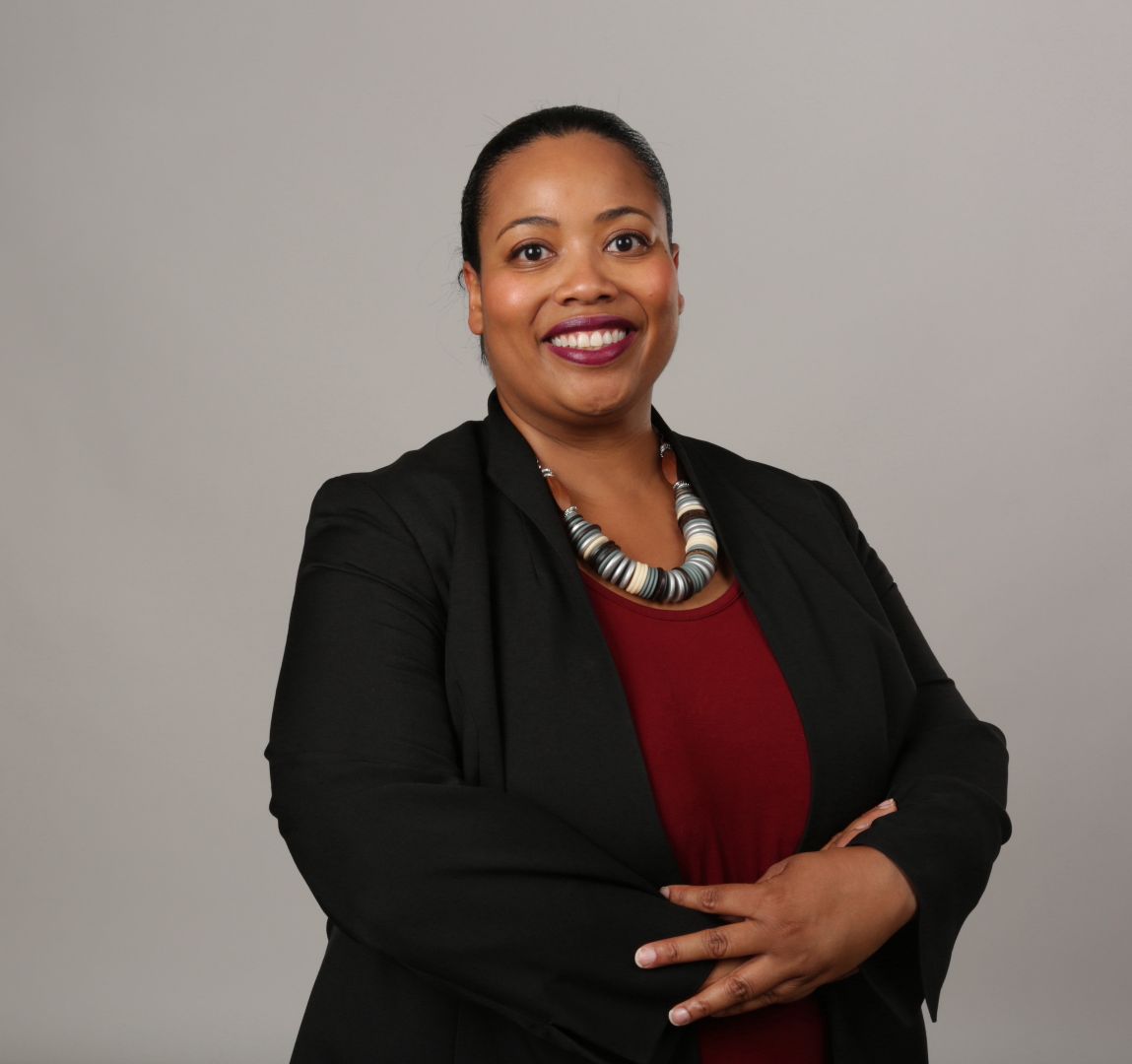
Nakia Parker is an assistant professor in the Department of History in the College of Social Science. She is a historian of 19th-century United States slavery and African American and American Indian history.
When most people hear the name Harriet Tubman, they think they already know her story. We know about her escape from slavery, her work on the Underground Railroad and her lifelong commitment to freedom. What makes Edda L. Fields-Black’s "COMBEE: Harriet Tubman, the Combahee River Raid, and Black Freedom during the Civil War" so remarkable is that it reminds us how much can still be recovered even from stories we think we know.
Fields-Black turns to an underused archive, the U.S. Civil War pension files, to reconstruct Tubman’s Civil War service and the lives of the hundreds of enslaved people who seized freedom during the Combahee River Raid of June 2, 1863. The raid liberated 756 people from seven rice plantations in the South Carolina Lowcountry. But COMBEE is not simply another biography of Tubman. Fields-Black deliberately shares the spotlight with the men, women and children who ran toward the Union gunboats, and with the Black soldiers, scouts and pilots whose knowledge made the raid possible.
That approach resonates deeply with me as a historian of slavery. Historians of enslaved people often work with archives created by people and institutions that did not intend to preserve Black lives in their fullness. Fields-Black demonstrates what becomes possible when we ask different questions of those records. Pension files created to adjudicate claims become sources for reconstructing families, kinship networks, labor, community and memories of enslavement and freedom. Her work challenges historians to look again at sources we may have overlooked — and to revisit familiar sources with new questions.
I have found that example especially meaningful in my own research on Black life in Choctaw and Chickasaw slaveholding communities. Sources such as the Dawes Application testimonies, for example, can reveal much more than the purposes for which they were originally collected. Read carefully and alongside other records, they can help us reconstruct enslaved people’s family relationships, movements, labor and experiences during slavery and the Civil War. COMBEE is a powerful reminder that historical recovery depends not only on finding new archives, but also on learning how to listen differently to the archives we already have.
Fields-Black’s work also offers an important model for what scholarship can do beyond the academy. Her career moves across books, museums, public history and music. As executive producer and librettist of "Unburied, Unmourned, Unmarked: Requiem for Rice," she has helped translate historical research into a form that can reach audiences who may never encounter it in a scholarly monograph. That expansive vision matters for those of us who teach. We are always asking how to make the past meaningful to students, how to invite them into difficult histories and how to show them that historical knowledge belongs in public life.
That is one reason Fields-Black’s visit to Michigan State is so exciting. Her scholarship models the possibilities that emerge when research, teaching and community engagement are understood as connected rather than separate pursuits. Rigorous archival research becomes compelling storytelling, teaching material, public history and artistic collaboration. For me, her work raises an important question for scholars and educators: How can we bring the histories we recover from the archive into classrooms and communities, and how can we make those histories meaningful to audiences beyond the university?
On Sept. 30, our campus will have the opportunity not simply to hear from a Pulitzer Prize-winning historian, but to think with a scholar whose work demonstrates the possibilities of historical recovery. COMBEE asks us to reconsider what we know about Harriet Tubman, the Civil War and emancipation. And, just as importantly, whose stories become visible when historians ask new questions.
Join Michigan State University by welcoming Edda Fields-Black to campus from 4-5:30 p.m., Sept. 30 in the International Center.

Academic Programs
Learn more about our undergraduate majors and minors

Faculty & Staff Funding
Explore our Strategic Partnership Grants and other funding resources

Study Abroad
Learn more about our study abroad programs in London and Malawi

Upcoming Events
Engage with global gender and sexuality scholars through our events